 Tel : +86 595 87817505
 Mobile Phone : +86 13799577570
 Email : robin@hiway-bags.com





When developing a waterproof backpack collection, one of the most important design decisions is choosing the right closure system. Roll-top and waterproof zipper backpacks are two popular options for outdoor, travel, and water-related activities. Although both designs aim to protect personal belongings from moisture, they differ in construction, accessibility, sealing performance, and user experience.
So, which design is better for a waterproof backpack? The answer depends on how the bag will be used, what level of water protection is required, and what customers expect from the product. For bag brands, wholesalers, and outdoor equipment buyers, understanding these differences can also help guide product development and material selection.
As a bag manufacturer, Hairun Bags focuses on waterproof and airtight bag construction, including TPU materials, sealed structures, and specialized zipper designs. This guide compares both closure systems to help buyers make a more informed decision.
What Is the Difference Between Roll-Top and Waterproof Zipper Backpacks?
The main difference is how the opening is closed and sealed. A roll-top backpack uses a flexible opening that is folded down several times and secured with buckles or fasteners. A waterproof zipper backpack uses a specially designed zipper to close the main compartment and limit water entry.
Neither design is automatically better in every situation. A properly constructed roll-top bag can provide dependable water protection, while a backpack with a suitable waterproof or airtight zipper can offer convenient access without requiring repeated folding.
Quick answer: Roll-top backpacks are generally suitable for users who prioritize a simple closure, adjustable storage capacity, and outdoor practicality. Waterproof zipper backpacks are often a better choice when quick access, a structured appearance, and convenient everyday use are important.
How Roll-Top Waterproof Backpacks Work
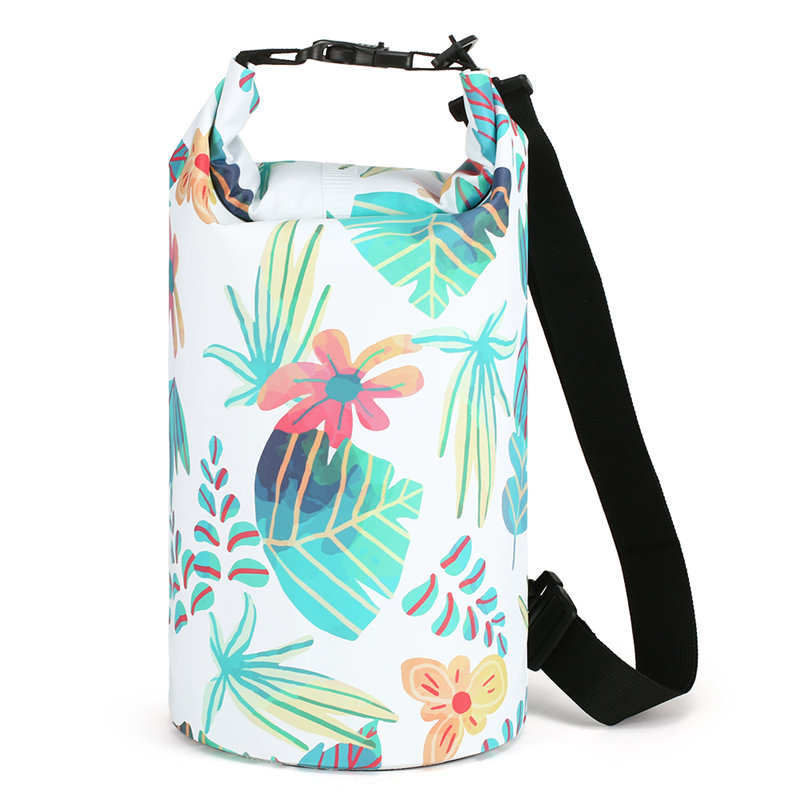
A roll-top backpack features an extended opening at the top of the bag. Instead of using a conventional zipper, the user rolls the top fabric down and secures it with buckles, clips, or other fastening components.
This closure design is widely used in dry bags, cycling backpacks, kayaking bags, and other outdoor products. By folding the opening, the design creates multiple layers of material that help prevent water from entering through the top.
Roll-top construction also allows users to adjust the effective storage volume according to the amount of equipment they carry. When the bag is not completely full, the upper section can be rolled down further to create a more compact shape.
Advantages of Roll-Top Construction
One of the main advantages of a roll-top design is its relatively simple closure structure. It does not require a long waterproof zipper across the main opening, which can reduce dependence on specialized zipper components.
- Adjustable capacity: The opening can be rolled to different heights depending on the amount of stored equipment.
- Simple closure structure: Buckles and fastening components are generally straightforward to operate.
- Outdoor practicality: The design is suitable for kayaking, boating, camping, cycling, and other outdoor activities.
- Flexible storage: The opening can accommodate items of different shapes and sizes.
- Reduced zipper maintenance: There is no long main-compartment waterproof zipper that requires regular cleaning and lubrication.
Limitations of Roll-Top Backpacks
Despite their practical advantages, roll-top backpacks also have some limitations. Users need to unfold and roll the opening every time they access the main compartment. This can be inconvenient when frequently retrieving small items.
The closure also requires correct operation. If the top is not rolled sufficiently or the fastening components are not secured properly, the bag may not provide the intended water protection. In addition, repeated folding can place stress on the material in the upper closure area over time.
How Waterproof Zipper Backpacks Work
A waterproof zipper backpack uses a specially engineered zipper to close the main compartment. Unlike an ordinary backpack zipper, a waterproof or airtight zipper is designed with sealing structures that help prevent water from passing through the closure.
Depending on the intended application, manufacturers may use coated zipper tapes, specialized sealing profiles, protective flaps, or airtight zipper systems. The exact construction varies according to the required protection level.
For example, Hairun Bags offers waterproof and airtight backpack designs using TPU materials and specialized zipper construction. Its product range includes backpacks developed for outdoor exploration, camping, and other activities where moisture protection is important.
Advantages of Waterproof Zipper Construction
The biggest advantage of a waterproof zipper backpack is convenient access. Users can open and close the main compartment directly without folding the upper section several times.
- Quick access: The main compartment can be opened and closed more directly, making it convenient for frequently used equipment.
- Clean appearance: A zipper closure can create a streamlined and structured backpack design.
- Flexible product styling: Zipper placement and compartment layouts can support different product designs.
- Secure closure: Specialized sealing zippers can provide effective protection against water when correctly selected and installed.
- Everyday convenience: The design can be suitable for commuting, travel, cycling, and outdoor activities.
For example, Hairun Bags' 24L 900D TPU airtight cooler backpack features a 100% leakproof zipper, TPU laminated fabric, and a reinforced ABS base. This product demonstrates how zipper construction can be combined with durable materials and a structured body for outdoor applications.
Limitations of Waterproof Zipper Backpacks
Waterproof zipper systems generally require more attention to component selection and manufacturing precision. Specialized zippers may also increase material costs compared with conventional closure components.
Another consideration is maintenance. Dirt, sand, and other particles can affect zipper operation and sealing performance. Users should follow the manufacturer's care instructions, keep the zipper clean, and avoid forcing it when resistance is encountered.
It is also important to understand that a waterproof zipper alone does not make an entire backpack waterproof. Fabric, seams, attachment points, and zipper installation all contribute to the overall performance.
Roll-Top vs Waterproof Zipper Backpacks: Key Differences
When comparing these two backpack designs, buyers should consider more than just the closure mechanism. The material, manufacturing process, intended application, and expected water exposure all influence the final product performance.
| Comparison Factor | Roll-Top Backpack | Waterproof Zipper Backpack |
|---|---|---|
| Closure mechanism | Folded opening with buckles or fasteners | Specialized waterproof or airtight zipper |
| Water protection | Depends on correct folding and material construction | Depends on zipper sealing and overall construction |
| Access speed | Requires unfolding and rolling | Direct zipper access |
| Storage flexibility | Adjustable opening height | Generally determined by compartment structure |
| Maintenance | Inspect folds, buckles, and fabric condition | Keep zipper tracks and sealing surfaces clean |
| Typical applications | Kayaking, boating, camping, and cycling | Travel, commuting, outdoor activities, and water-related use |
| Design considerations | Folding space, fastening system, and material flexibility | Zipper quality, installation precision, and sealing compatibility |
There is no universal winner. A well-designed roll-top backpack may offer better practicality for certain water sports, while a properly manufactured waterproof zipper backpack may be more convenient for customers who need frequent access to their belongings.
Which Waterproof Backpack Design Is Better for Different Applications?
The best closure system depends on the environment in which the backpack will be used. Understanding the customer's actual activities is an important part of choosing the right design.
Kayaking, Boating, and Water Sports
For kayaking, rafting, boating, and similar activities, roll-top construction is often a practical option. Its folded opening creates a simple closure structure without requiring users to operate a specialized zipper every time they access their equipment.
However, for applications involving heavy splashing or immersion, buyers should evaluate the complete sealing structure rather than assume that every roll-top bag provides the same protection. Material selection, welded seams, closure design, and proper operation all matter.
Explore Hairun Bags' dry backpacks collection for outdoor-oriented waterproof bag designs.
Camping and Outdoor Travel
For camping and outdoor travel, both closure systems can work well. Roll-top backpacks are useful when carrying clothing, sleeping accessories, and outdoor equipment that may vary in volume.
Waterproof zipper backpacks are a convenient alternative for travelers who frequently need to access cameras, electronic devices, personal items, and other essentials.
For customers looking for a combination of waterproof construction and additional storage functions, an insulated waterproof backpack may also be worth considering. Hairun Bags' large capacity outdoor tote airtight cooler bag is one example of a structured outdoor backpack designed with an airtight zipper and insulated construction.
Cycling and Daily Commuting
For daily cycling and commuting, convenience and comfort are usually important considerations. A waterproof zipper backpack can be suitable for users who regularly access their phones, documents, and personal belongings.
Roll-top backpacks can also be a good option for cyclists who need adjustable storage space and a simple closure system. The final choice should consider carrying comfort, compartment organization, weight distribution, and the expected level of rain protection.
What Should Buyers Consider When Sourcing Waterproof Backpacks?
For wholesalers, distributors, and private-label brands, selecting the right backpack design involves more than comparing appearance and selling price. Product performance, manufacturing feasibility, and long-term customer satisfaction should all be considered during product development.
Material Selection and Waterproof Performance
TPU, PVC tarpaulin, and coated fabrics are commonly considered for waterproof bag applications. Each material offers different characteristics in terms of flexibility, durability, weight, and processing requirements.
TPU laminated fabrics are particularly useful for products that require flexible construction and waterproof performance. However, the final result also depends on fabric thickness, coating quality, seam construction, and compatibility with the selected closure system.
Seam Construction and Manufacturing Process
Seams are another important consideration when developing waterproof backpacks. Traditional stitching can create needle holes that allow water to enter unless additional sealing measures are applied.
High-frequency welding and other suitable bonding processes can help create sealed connections between compatible materials. Manufacturers should evaluate the connection between fabric selection, welding parameters, zipper installation, and overall product structure.
Customization and Product Positioning
Different markets have different expectations for waterproof backpacks. Some customers prioritize lightweight designs for cycling, while others need large-capacity bags for camping, fishing, or water sports.
Before placing a bulk order, buyers should confirm several important specifications:
- Target application and required water protection level.
- Material type, fabric thickness, and color options.
- Closure system and zipper specifications.
- Storage capacity and internal compartment layout.
- Shoulder straps, buckles, handles, and reinforcement details.
- Logo placement, packaging, and customized branding requirements.
- Sample evaluation, product testing, and quality inspection standards.
Working with an experienced custom bag manufacturer can help brands evaluate these requirements and develop waterproof backpack designs that better match their target customers.
How Hairun Bags Supports Waterproof Backpack Development
Quanzhou Hairun Bags Co., Ltd. specializes in the development and manufacturing of waterproof bags, airtight bags, sports bags, travel bags, school bags, and business bags. Through its website, Hairun Bags presents a range of bag solutions for international buyers, wholesalers, and brands.
For waterproof backpack projects, material selection, closure construction, and product functionality are important parts of the development process. Hairun Bags works with different product structures, including TPU laminated fabrics, airtight zipper designs, and high-frequency welded construction.
Its product portfolio includes outdoor waterproof backpacks, airtight cooler backpacks, and other customized bag solutions. OEM and ODM services are also available for buyers who need customized materials, colors, logos, and product specifications.
Whether you are developing a roll-top dry bag collection or a waterproof zipper backpack range, choosing the appropriate construction from the beginning can help improve product functionality and create a more suitable offering for your target market.
Frequently Asked Questions About Roll-Top and Waterproof Zipper Backpacks
Are roll-top backpacks more waterproof than zipper backpacks?
Not necessarily. A properly designed roll-top backpack can provide reliable water protection when its opening is folded and secured correctly. A backpack with a specialized waterproof or airtight zipper can also provide strong protection. Overall performance depends on materials, seams, closure construction, and product testing.
Are waterproof zipper backpacks suitable for heavy rain?
Yes, if the backpack is designed and tested for the intended level of water exposure. Buyers should check the zipper specifications, seam construction, and product test results rather than relying on the word waterproof alone.
Which backpack design is better for kayaking?
Roll-top backpacks are a common choice for kayaking because their folded closure is practical for carrying outdoor equipment. However, specialized waterproof zipper backpacks can also be suitable when their sealing performance is verified for the intended water exposure.
What materials are commonly used for waterproof backpacks?
Common materials include TPU laminated fabrics, PVC tarpaulin, and coated polyester or nylon fabrics. The appropriate choice depends on the required waterproof performance, flexibility, abrasion resistance, weight, and manufacturing process.
Can waterproof backpacks be customized for private-label brands?
Yes. Depending on the manufacturer's capabilities, buyers can customize materials, colors, dimensions, closure systems, logos, straps, and compartment layouts. Hairun Bags provides OEM and ODM bag development services for customized product projects.
How can buyers check the waterproof performance of a backpack?
Buyers should evaluate fabric specifications, zipper sealing, seam construction, and finished-product testing. Water spray, leakage, and immersion tests may be used depending on the intended application and required protection level. Test conditions and results should be clearly documented.
Looking for a reliable waterproof backpack supplier for your next product collection? Contact Hairun Bags to discuss customized waterproof backpack designs, material options, and OEM/ODM development requirements.

