 Tel : +86 595 87817505
 Mobile Phone : +86 13799577570
 Email : robin@hiway-bags.com





A good custom tennis bag should do more than carry rackets. It needs to protect sports equipment, keep personal belongings organized, and remain comfortable to carry between home, the court, and tournaments. For sports brands, retailers, and distributors, choosing the right materials, compartments, and design is also essential to creating a competitive product.
Whether you are developing a tennis backpack, a 6-racket tennis duffel bag, or a versatile tennis racket bag, each design decision affects the bag's functionality, durability, and market appeal. Understanding these details helps buyers work with a reliable custom tennis bag manufacturer and develop products that meet their customers' expectations.
What Defines a Good Custom Tennis Bag?
A well-designed tennis bag balances equipment protection, storage capacity, carrying comfort, and visual appeal. The right combination depends on how the bag will be used and which customer group it is designed for.
For example, recreational players may prefer a lightweight tennis backpack with space for one or two rackets, while frequent tournament players often need a larger tennis duffel bag with multiple racket compartments and separate storage for shoes and accessories.
For brands developing a private-label tennis bag collection, the key is to identify the intended user before deciding on the bag's structure, material, and capacity.
Choosing the Right Materials for a Tennis Bag
Material selection directly affects the weight, durability, appearance, and maintenance requirements of a tennis bag. The best fabric depends on the product's intended price range, performance requirements, and target market.
Polyester for Lightweight and Durable Construction
Polyester is a practical choice for many custom tennis bags because it offers a good balance of weight, durability, and design flexibility. Different fabric densities can be selected according to the required strength and product positioning.
For example, 600D polyester is commonly used in sports bags and backpacks. It provides a structured fabric option for everyday carrying, while customized colors and logo applications help brands create a recognizable product appearance.
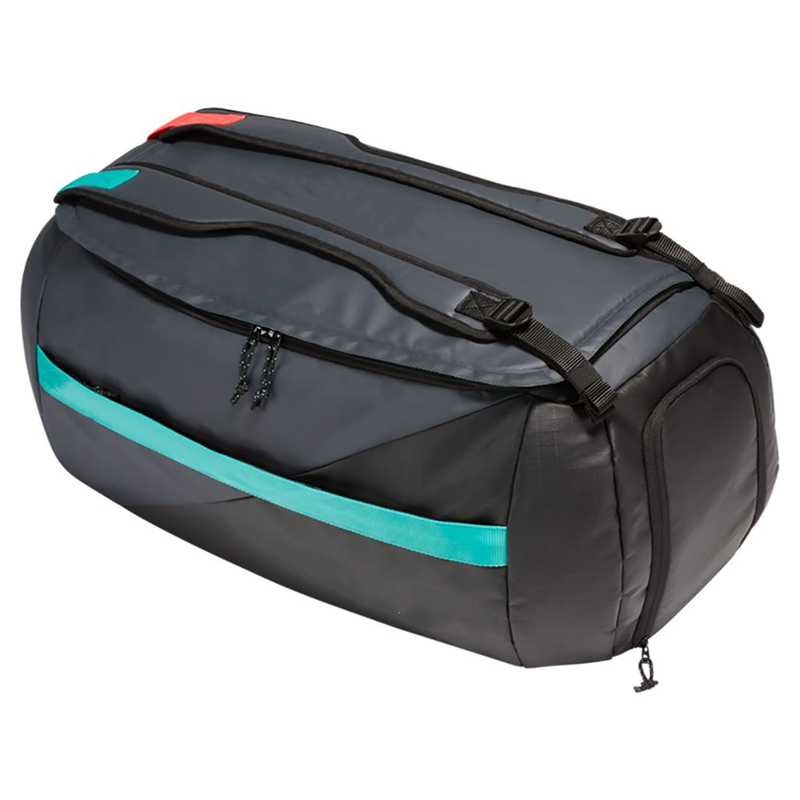
Nylon for Strength and Everyday Performance
Nylon is another suitable option for tennis bags, particularly when tear resistance, abrasion resistance, and a lightweight construction are important. It can be used for racket backpacks, sports travel bags, and multi-compartment designs.
Depending on the requirements, buyers can consider different fabric specifications, coatings, and lining materials to achieve the desired balance between durability, weight, and cost.
Reinforced Panels and Protective Materials
Besides the main fabric, reinforcement materials play an important role in protecting tennis equipment. Padded panels, foam layers, and reinforced bottom sections can help reduce external pressure and improve the bag's overall structure.
For racket compartments, suitable padding and lining materials can help protect racket frames during transportation. The thickness and construction should be selected according to the intended capacity and protection requirements.
Essential Compartments Every Tennis Bag Should Have
Storage organization is one of the most important differences between a general sports bag and a functional tennis bag. A thoughtful compartment layout makes equipment easier to access and keeps different belongings separated.
Dedicated Racket Compartments
The racket compartment is the central feature of a tennis bag. Its size and structure should match the number of rackets the bag is designed to carry.
Common options include:
- Single or dual racket compartments for casual players.
- Multiple racket sections for regular players and tournament use.
- Padded or thermal-lined compartments for additional racket protection.
- Adjustable dividers to improve internal organization.
For example, the high quality 6r sport tennis duffel bag features removable hook-and-loop dividers, allowing users to organize the main compartment for up to six rackets.
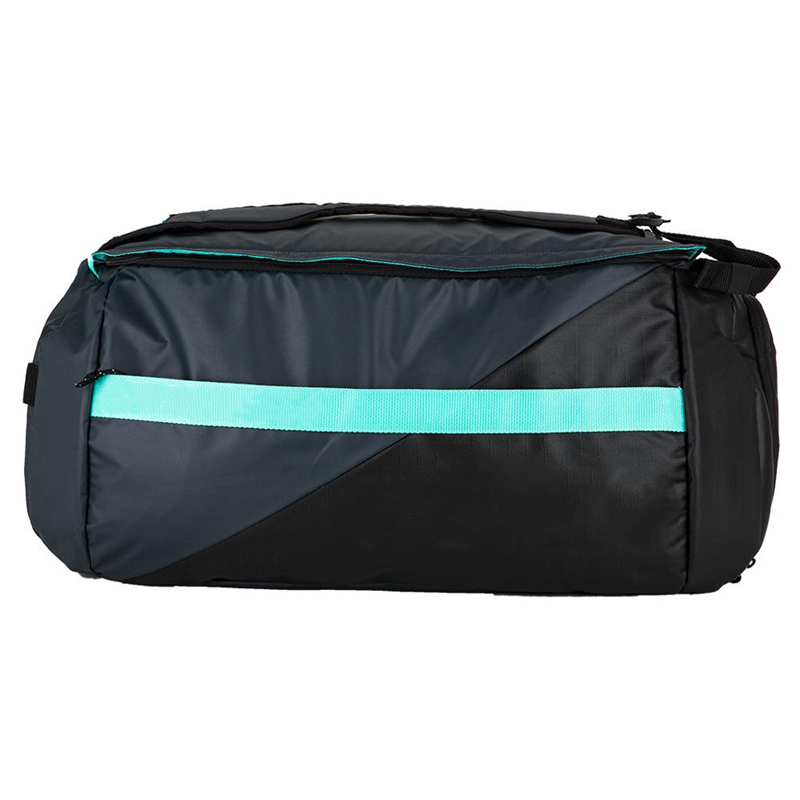
Separate Shoe Compartments
Shoes can carry dust, dirt, and moisture from the court. A dedicated shoe compartment helps keep footwear separate from rackets, clothing, and personal belongings.
Ventilated construction is worth considering because it can improve airflow around stored shoes. The compartment should also be easy to access and large enough for the intended footwear size.
Accessory Pockets for Personal Belongings
Players usually carry more than rackets and shoes. Tennis balls, grips, wristbands, towels, water bottles, keys, and phones all need convenient storage.
A practical tennis bag may include:
- Front zippered pockets for frequently used accessories.
- Internal pockets for wallets, phones, and valuables.
- Side pockets for water bottles.
- Expandable storage sections for additional equipment.
These smaller details can make a noticeable difference in everyday usability, especially for players who travel frequently between training sessions and competitions.
Tennis Bag Design: Functionality Meets Brand Identity
Good design is not only about appearance. The shape, carrying system, pocket arrangement, and finishing details all influence how customers experience the product.
Choose the Right Bag Structure
Different tennis bag styles serve different customer needs. Three popular options are tennis backpacks, tennis duffel bags, and larger racket travel bags.
- Tennis backpacks: Suitable for everyday players who prefer a compact design, convenient carrying, and organized storage for essential equipment.
- Tennis duffel bags: Offer larger storage capacity and are suitable for players carrying multiple rackets, shoes, clothing, and accessories.
- Racket travel bags: Designed for users who need additional space and convenient transportation for longer trips or tournaments.
For a compact carrying option, the advanced business trip tennis racquet backpack combines racket storage with multiple accessory pockets and a separate footwear compartment.
Improve Carrying Comfort
A tennis bag may become heavy when fully loaded with rackets, shoes, and other equipment. Comfortable shoulder straps, reinforced handles, and balanced weight distribution can make carrying easier.
For larger bags, padded shoulder straps and adjustable carrying options are useful design features. Backpack-style and duffel-style carrying options can also provide greater flexibility for different users.
Customize Colors, Logos, and Finishing Details
For sports brands and private-label buyers, visual customization is an important part of product development. A consistent color scheme, recognizable logo placement, and carefully selected hardware can help distinguish a tennis bag from competing products.
Common customization options include:
- Custom fabric colors and color combinations.
- Screen printing, heat transfer, or embroidered logos.
- Customized zipper pulls, buckles, and labels.
- Personalized pocket layouts and bag dimensions.
- Custom lining colors and interior finishes.
The right combination allows brands to develop a product that reflects their positioning while maintaining the functionality expected from a tennis bag.
How to Develop a Custom Tennis Bag for Your Brand
Developing a custom tennis bag involves more than choosing a product from an existing catalog. Buyers need to define the target market, product specifications, and manufacturing requirements before moving into sample development and bulk production.
Define Your Target Customers and Product Requirements
Start by identifying whether the product is intended for recreational players, professional athletes, tennis clubs, or sports retailers. This helps determine the required racket capacity, bag dimensions, storage layout, and material selection.
Confirm Materials and Technical Details
Once the product concept is established, confirm the main fabric, lining, padding, zippers, straps, and hardware. A clear specification helps reduce misunderstandings during sampling and production.
Develop and Evaluate Samples
Before mass production, a physical sample should be evaluated for dimensions, stitching quality, compartment accessibility, carrying comfort, and overall appearance.
It is also important to check whether the racket compartments fit the intended racket sizes and whether the shoe and accessory sections provide sufficient storage.
Work with an Experienced Tennis Bag Manufacturer
A capable manufacturer should be able to support material selection, structural adjustments, logo applications, sample development, and bulk production. Clear communication throughout these stages helps ensure that the finished product matches the approved specifications.
At Hairun Bags, we provide bag manufacturing solutions for sports brands, distributors, and international buyers. Our product range includes tennis backpacks, tennis duffel bags, and racket bags, with customized colors, logos, and OEM/ODM options.
Explore our custom tennis bag collection to see different product structures and design possibilities.
What Should Buyers Check Before Placing a Bulk Order?
Before confirming a bulk order, buyers should review the following details to reduce production risks and maintain consistent product quality.
- Material specifications: Confirm fabric type, thickness, lining, padding, and color consistency.
- Product dimensions: Check racket capacity, compartment sizes, and overall bag measurements.
- Construction quality: Review stitching, reinforcement points, zippers, handles, and shoulder straps.
- Logo and branding: Approve artwork, printing methods, placement, and color matching.
- Sample approval: Confirm that the production sample meets the agreed specifications.
- Quality inspection: Establish inspection requirements before shipment.
These checks are particularly important for private-label and wholesale projects, where product consistency and reliable delivery can directly affect customer satisfaction.
Final Thoughts: What Makes a Good Custom Tennis Bag?
A good custom tennis bag combines durable materials, well-organized compartments, comfortable carrying features, and a design that reflects the brand's identity. The right product is not necessarily the one with the most pockets or the largest capacity, but the one that matches its intended users and practical requirements.
For sports brands, retailers, and distributors, working with an experienced manufacturer makes it easier to turn product concepts into functional, market-ready tennis bags. From fabric selection and compartment design to logo customization and bulk production, every detail contributes to the final product.
If you are planning to develop a new tennis bag collection or customize an existing design, explore our OEM and ODM bag manufacturing services to discuss your project requirements.
Frequently Asked Questions About Custom Tennis Bags
What materials are commonly used for custom tennis bags?
Polyester and nylon are common materials for custom tennis bags. Polyester offers a practical balance of durability, weight, and cost, while nylon is suitable for designs requiring good abrasion and tear resistance. Padding, lining, and reinforcement materials can also be selected according to the product's intended use.
How many rackets can a tennis bag hold?
Tennis bag capacity varies by design. Compact tennis backpacks may hold one or two rackets, while larger tennis duffel bags can accommodate multiple rackets. For example, the High Quality 6R Sport Tennis Duffel Bag from Allbagslife features an adjustable main compartment designed for up to six rackets.
What compartments should a good tennis bag have?
A functional tennis bag should include a dedicated racket compartment, accessory pockets, and sufficient space for personal belongings. Depending on the design, it may also feature a separate shoe compartment, water bottle pocket, and padded valuables section.
Can tennis bags be customized with private labels?
Yes. Custom tennis bags can be developed with private-label branding, including printed or embroidered logos, customized fabric colors, zipper pulls, labels, and interior layouts. OEM and ODM options depend on the manufacturer's capabilities and project requirements.
What should I consider when choosing a tennis bag manufacturer?
Consider the manufacturer's experience with sports bags, material sourcing, sample development capabilities, customization options, production quality control, and communication throughout the order process. Reviewing product samples and confirming specifications before bulk production are also important steps.
Can I customize the size and compartment layout of a tennis bag?
Yes. Depending on the manufacturing process and design requirements, buyers can customize bag dimensions, racket capacity, shoe compartments, accessory pockets, padding, and carrying systems. A technical drawing or product sample can help the manufacturer understand the required structure.

